Source Medium Back Industrial Chair for Home, Hotel, and Restaurant
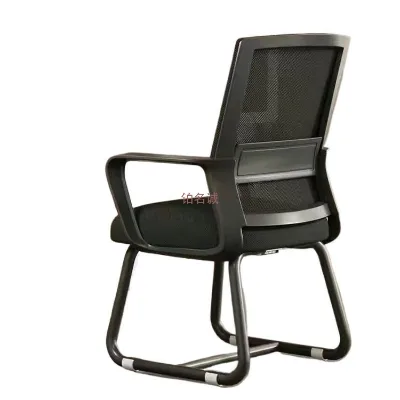
Find and compare 30 medium back industrial chair options from verified suppliers. Evaluate features like fixed or rotary structures, plastic or fabric materials, and modern styling to select the best fit for your commercial or residential project needs.
Key considerations
Products List




Comprehensive Sourcing Guide
Medium Back Industrial Chair Sourcing Guide
Sourcing medium back industrial chairs requires a careful balance between ergonomic support, aesthetic durability, and commercial viability. These chairs are frequently utilized in environments that demand a blend of modern design and robust functionality, such as hotels, restaurants, and home dining areas. The "medium back" designation typically refers to a seatback height that supports the upper back without extending to the shoulders, offering a streamlined profile that fits well in spaces with lower ceiling heights or tighter spatial constraints. Buyers must distinguish between purely decorative pieces and those engineered for high-frequency commercial use, as the structural integrity and material composition vary significantly between the two categories.
The procurement landscape for these items is diverse, with manufacturers offering a wide range of customization options to suit specific brand identities or interior design schemes. From the observed market data, it is evident that suppliers provide both fixed and rotary base options, allowing for flexibility in seating arrangements. The material palette extends beyond traditional wood or metal to include plastic and fabric constructions, each presenting distinct maintenance and longevity profiles. Understanding these variations is crucial for selecting the right product mix that aligns with the intended application scenario, whether it is a high-traffic hotel lobby or a quiet residential dining room.
Product Scope and Observed Listing Signals
The current market listings reveal a broad spectrum of product attributes that define the medium back industrial chair category. Key observations indicate that products are generally supplied in a new condition, with styles ranging from modern to light luxury and exquisite designs. The shape of the chairs varies, with square and round options available, catering to different table geometries and spatial layouts. Additionally, the presence or absence of armrests is a critical differentiator, with some models featuring armrests for added comfort and others remaining armless to facilitate easier stacking or space efficiency. These physical characteristics directly influence the chair’s suitability for specific environments, such as casual dining versus formal banquet settings.
Customization plays a pivotal role in the industrial chair market, with many suppliers offering OEM services and tailored specifications. Buyers can often choose between non-customized standard models and fully customized options, including specific dimensions, materials, and packaging requirements. The production models identified in the market, such as SKU-007, CX-6380, and BC-02, suggest a standardized yet modular approach to manufacturing. This modularity allows for efficient production runs while still accommodating unique client requests. Furthermore, the origin of these products is predominantly China, with manufacturing hubs in regions like Guangdong and Tianjin, indicating a mature supply chain capable of handling large volumes and complex logistical demands.
Technical Specifications to Verify
When evaluating technical specifications, buyers must scrutinize the dimensional standards and packing configurations to ensure compatibility with their operational needs. The standard dimensions for these chairs often fall within specific ranges, such as 434878cm for certain models, while others may offer adjustable heights, such as 630540990-1050mm. These measurements are critical for ensuring that the chairs fit properly under tables and provide adequate legroom for users. Additionally, the packing dimensions, such as 403020cm or specific cubic meter volumes like 0.173cbm/ctn, are essential for calculating shipping costs and warehouse storage requirements. Buyers should verify whether the chairs are supplied in a knock-down format or fully assembled, as this impacts both the initial cost and the ease of installation.
The structural integrity and material composition are equally important technical factors to assess. The chairs may be constructed from plastic, fabric, or other materials, each with distinct properties regarding durability, comfort, and maintenance. For instance, fabric-covered chairs may offer superior comfort but require more rigorous cleaning protocols, while plastic components might provide easier maintenance but less aesthetic warmth. The chair structure is typically fixed and unfolded, ensuring stability during use, but the base mechanism can vary between fixed and rotary options. Buyers should confirm the weight capacity and the quality of the joints and fasteners, as these elements determine the long-term reliability of the chairs in high-traffic commercial environments.
Compliance and Safety Documentation
Compliance with industry standards is a non-negotiable aspect of sourcing industrial chairs, particularly for commercial applications. The BIFMA Standard is a recognized certification that indicates the chair has undergone rigorous testing for safety, durability, and performance. Buyers should request proof of such certifications to ensure that the products meet international quality benchmarks. This is especially important for chairs intended for use in hotels and restaurants, where frequent use and varying user weights place significant stress on the furniture. Verifying compliance not only mitigates liability risks but also enhances the credibility of the buyer’s establishment in the eyes of customers and regulatory bodies.
In addition to structural certifications, buyers should inquire about the quality guarantees and warranty terms offered by the supplier. A typical quality guarantee period, such as three years, provides a safety net against premature failures and indicates the manufacturer’s confidence in their product. It is also advisable to check for any additional safety features, such as anti-tip mechanisms or rounded edges, which can prevent accidents and injuries. Documentation regarding the materials used, including any fire retardancy or eco-friendly certifications, should also be reviewed to ensure alignment with local regulations and sustainability goals. This comprehensive approach to compliance ensures that the procurement process is both safe and responsible.
Cost Drivers and Commercial Terms
The cost of medium back industrial chairs is influenced by several factors, including material selection, customization level, and order volume. The observed price range in the market spans from $4 to $201, reflecting the diversity in quality and features available. Higher prices typically correlate with premium materials, intricate designs, and extensive customization options. Conversely, basic models with standard specifications and minimal customization tend to be more cost-effective. Buyers should carefully evaluate the total cost of ownership, considering not just the unit price but also shipping, packaging, and potential maintenance costs over the chair’s lifespan.
Commercial terms such as MOQ (Minimum Order Quantity) and lead times are critical for planning and budgeting. The MOQ can range from no limitation for small orders to 500 units for larger batches, allowing flexibility for buyers with varying scale requirements. Production lead times generally fall within a 10-30 day window, depending on the complexity of the order and the supplier’s current workload. Buyers should negotiate clear terms regarding payment schedules, shipping responsibilities, and return policies to avoid unexpected costs or delays. Understanding these commercial dynamics enables more accurate forecasting and smoother transaction processes, ensuring that the procurement aligns with the buyer’s financial and operational constraints.
Supplier Qualification and Quality Control
Selecting a reliable supplier is paramount to ensuring the quality and consistency of medium back industrial chairs. Buyers should prioritize suppliers with a proven track record in manufacturing and exporting furniture, particularly those with experience in the target market. Verification of the supplier’s production capabilities, including factory audits and quality control processes, is essential to confirm that they can meet the specified standards and deadlines. Suppliers located in established manufacturing hubs like Guangdong and Tianjin often have access to better resources and skilled labor, which can contribute to higher product quality.
Quality control measures should be integrated into the procurement process from the outset. This includes defining clear acceptance criteria for materials, dimensions, and finish quality. Buyers may consider implementing pre-shipment inspections to catch any defects before the goods leave the factory. Additionally, establishing a strong communication channel with the supplier allows for timely resolution of any issues that may arise during production or delivery. By maintaining a proactive approach to supplier management, buyers can minimize risks and ensure that the received products meet their expectations in terms of both aesthetics and functionality.
Long-Term Procurement Checks
Long-term success in sourcing medium back industrial chairs depends on continuous monitoring and evaluation of the supply chain. Buyers should regularly review supplier performance metrics, such as on-time delivery rates, product defect rates, and responsiveness to issues. This data-driven approach helps in identifying potential problems early and making informed decisions about future orders. It is also important to stay updated on market trends and technological advancements in furniture manufacturing, as these can influence product design and cost structures. By staying agile and responsive to changes, buyers can maintain a competitive edge and ensure that their furniture offerings remain relevant and appealing to end-users.
Sustainability and ethical sourcing practices are increasingly important considerations for long-term procurement strategies. Buyers should assess whether their suppliers adhere to environmentally friendly practices, such as using recyclable materials or reducing waste during production. This not only aligns with global sustainability goals but also enhances the brand’s reputation among environmentally conscious consumers. Furthermore, building strong, collaborative relationships with suppliers can lead to better pricing, priority treatment during peak seasons, and access to exclusive designs. By focusing on these long-term aspects, buyers can create a resilient and sustainable procurement ecosystem that supports their business growth and customer satisfaction.
FAQs
What materials are used for medium back industrial chairs?
These chairs are typically constructed from durable plastic or fabric materials to ensure longevity in commercial settings. The choice of material depends on the specific application, whether for home, hotel, or restaurant use. Plastic options offer easy maintenance, while fabric provides comfort. Both materials support the modern style and fixed structure required for stable seating in high-traffic environments.
Can I customize the design of these industrial chairs?
Yes, customization is available for many models, allowing for specific shape or feature adjustments. Some products offer non-customized standard options, while others support OEM custom requests. Buyers can often choose between square or round shapes and with or without armrests. This flexibility ensures the chairs meet specific aesthetic or functional requirements for different interior design projects.
What is the typical lead time for production?
Production lead times generally range within 10 to 30 days after order confirmation. This timeframe allows for manufacturing quality control and packaging preparation. The exact duration may vary based on order volume and customization complexity. Buyers should plan their procurement schedules accordingly to ensure timely delivery for their commercial or residential installation projects.
Are these chairs suitable for hotel and restaurant use?
Yes, these chairs are explicitly designed for applicable scenarios including homes, hotels, and restaurants. Their modern style and sturdy fixed structure make them ideal for commercial dining or leisure areas. The durable materials and simple design ensure they withstand frequent use while maintaining an elegant appearance suitable for various hospitality and residential interior settings.
What certifications do these chairs meet?
Some models comply with the BIFMA Standard, ensuring safety and durability for commercial furniture. This certification is particularly relevant for office and commercial furniture applications. Buyers seeking certified products should verify specific model details, as not all variants may carry this standard. Compliance with such standards helps ensure the furniture meets industry expectations for quality and structural integrity.
How are the chairs packaged for shipping?
Packaging methods vary by model, including foam carton packing, standard export cartons, or knock-down packing. Some items use nude packing to reduce volume, while others are packed with two pieces per carton. The packaging is designed to protect the chairs during transit, with dimensions and weights specified to assist in logistics planning and freight cost estimation.